

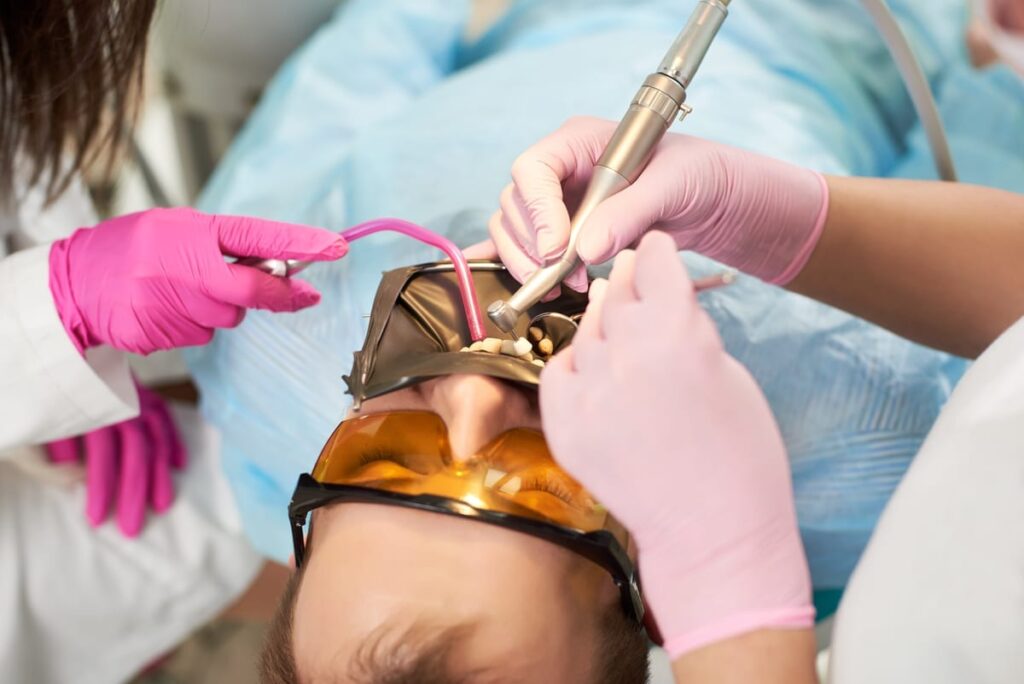
Many Airdrie patients ask the same question before their appointment: does root canal treatment really hurt? The honest answer might surprise you. Thanks to modern anesthesia, most patients feel little to no pain during the procedure itself. Understanding what modern anesthesia actually does can help you walk into your appointment feeling calm and informed.
At Airdrie Springs Dental, Dr. Hubert Ng takes patient comfort seriously. This guide breaks down exactly what happens during and after root canal treatment — no sugarcoating, just facts.
Why Root Canals Have a Bad Reputation
Root canals earned their scary reputation decades ago. Older techniques and limited anesthesia options made the procedure genuinely uncomfortable. Patients who experienced treatment back then passed those stories down to friends and family.
Today’s dentistry looks nothing like that. Modern numbing agents, improved tools, and better techniques have completely changed the experience. Most patients are surprised by how straightforward the appointment actually feels.
The pain you feel before a root canal — from the infected tooth — is usually far worse than the treatment itself. The procedure is designed to remove that pain, not create it.
What Modern Anesthesia Actually Does During Root Canal Treatment in Airdrie
Before Dr. Ng begins any work, he numbs the area thoroughly. Local anesthetic is injected near the affected tooth and surrounding tissue. This blocks nerve signals so you feel pressure and movement — but not sharp pain.
Here is what modern anesthesia actually accomplishes during your appointment:
- Blocks pain signals from traveling to your brain
- Keeps the tooth and gum tissue fully numb throughout the procedure
- Allows Dr. Ng to work efficiently without causing distress
- Can be topped up mid-procedure if needed
- Wears off gradually after you leave the clinic
If you feel anxious about needles or dental procedures in general, Airdrie Springs Dental also offers Sedation Dentistry options. Sedation works alongside local anesthetic to keep you relaxed from start to finish.
What You Actually Feel During the Procedure
Once the anesthetic takes full effect, most patients feel very little. You may notice pressure as Dr. Ng accesses the tooth. You might feel a mild vibration from dental instruments. Neither of these sensations is painful.
Some patients feel nothing at all. Others describe a slight awareness of movement without any discomfort. Both experiences are completely normal.
Occasionally, a tooth with a severe infection is harder to numb completely. In those cases, Dr. Ng can use additional anesthetic or adjust the approach. You will never be asked to push through real pain.
Here is a simple breakdown of what to expect step by step:
- Numbing: Anesthetic is applied and given time to fully take effect
- Access: A small opening is made in the top of the tooth
- Cleaning: Infected pulp tissue is carefully removed from inside the tooth
- Shaping: The canals are shaped and disinfected thoroughly
- Sealing: The canals are filled and sealed to prevent reinfection
- Restoration: A crown or filling restores the tooth’s function
What to Expect After Root Canal Treatment
Post-procedure soreness is real — but manageable. Once the anesthetic wears off, you may notice tenderness around the treated tooth. This typically lasts two to four days. Over-the-counter pain relievers like ibuprofen usually handle it well.
Most patients return to normal activities the next day. Some go back to work or school the same afternoon. The level of discomfort varies depending on how infected the tooth was before treatment.
You should avoid chewing hard foods on that side of your mouth for a few days. Stick to softer options and let the area settle. If your dentist placed a temporary restoration, you will return shortly to have a permanent crown fitted.
Contact Airdrie Springs Dental right away if you experience any of the following after your appointment:
- Severe swelling that gets worse after two days
- A return of sharp, throbbing pain after initial soreness fades
- Visible pus or discharge near the treated tooth
- A fever that does not resolve within 24 hours
How Root Canal Treatment Fits Into Your Overall Dental Health
Root canal treatment is a routine part of General Dentistry. It saves a tooth that would otherwise need to be extracted. Keeping your natural tooth preserves your bite, jaw structure, and surrounding teeth.
Routine checkups through Family Dentistry often catch problems early. Early detection means smaller infections and simpler treatment. Waiting too long can turn a straightforward root canal into a more complex situation.
Dr. Ng and the team at Airdrie Springs Dental are here to support your dental health at every stage. Whether you need a routine cleaning or a restorative procedure, the goal is always the same: keep you healthy, comfortable, and informed.
Conclusion: Root Canals Are Not What They Used to Be
The fear surrounding root canal treatment is understandable — but largely outdated. Modern anesthesia works effectively to eliminate pain during the procedure. Post-procedure soreness is mild and temporary for most patients.
If you have been putting off treatment because you are afraid of pain, know this: the infection causing your discomfort right now is likely worse than the procedure itself. Getting treated sooner protects your tooth and your overall health.
Dr. Hubert Ng and the team at Airdrie Springs Dental in Airdrie, AB are ready to walk you through every step with care and patience. Book Now to schedule your appointment with our team.
Frequently Asked Questions
Does a root canal hurt while it is happening?
Most patients feel little to no pain during a root canal. Modern local anesthesia numbs the tooth and surrounding tissue completely. You may feel pressure or mild vibration, but sharp pain is not a normal part of the experience. If you feel discomfort, your dentist can add more anesthetic right away.
How long does soreness last after root canal treatment?
Post-procedure tenderness typically lasts two to four days. It is usually mild and manageable with over-the-counter pain relievers like ibuprofen. Most patients return to their normal routines the day after treatment. Contact your dentist if soreness worsens or does not improve within a week.
Is sedation available for root canal treatment in Airdrie?
Yes. Airdrie Springs Dental offers sedation dentistry options for anxious patients. Sedation can be used alongside local anesthetic to keep you relaxed throughout the procedure. Talk to Dr. Ng before your appointment if you have concerns about anxiety or fear.
What happens if I avoid getting a root canal?
Leaving an infected tooth untreated allows the infection to spread. It can reach surrounding bone, neighboring teeth, or even other parts of the body. Delaying treatment also increases the risk of tooth loss. Root canal treatment is far less complicated than dealing with an advanced infection later.
Will I need a crown after my root canal?
In most cases, yes. A crown protects the treated tooth and restores its full function. A tooth that has had a root canal is more brittle than a healthy tooth. A crown prevents cracking and extends the life of the tooth significantly.