

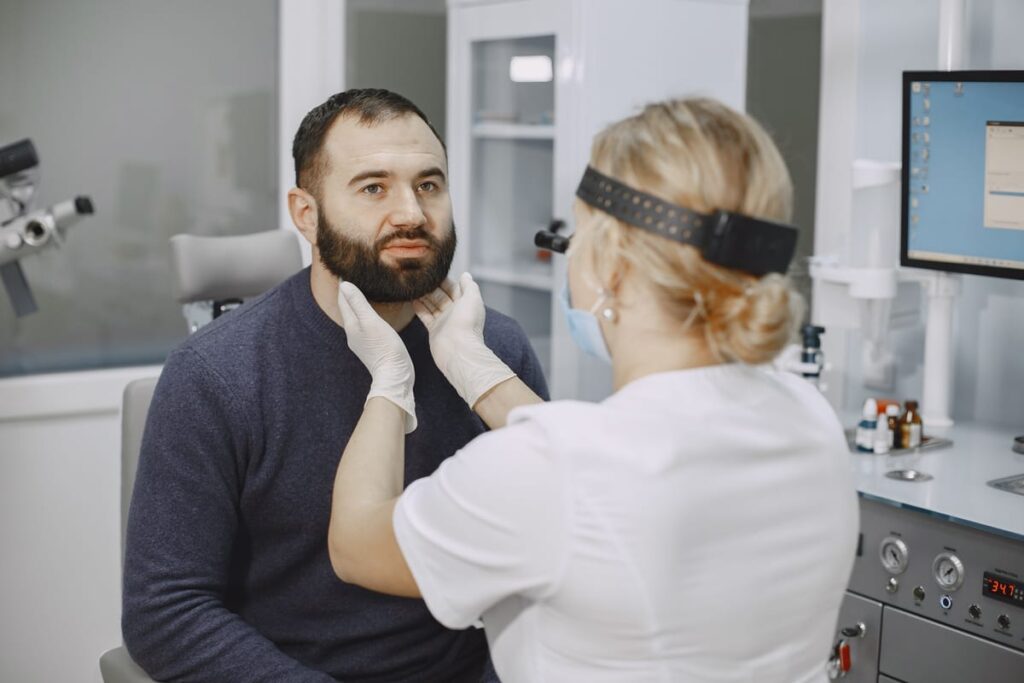
TMJ pain can make everyday tasks feel impossible. Chewing, speaking, and even yawning can trigger sharp jaw discomfort. The good news is that many Airdrie patients find real relief through self-care — no surgery required. Learning how to stop TMJ pain without surgery using proven self-care techniques can help you reclaim comfort and confidence in daily life.
At Airdrie Springs Dental, Dr. Hubert Ng works with patients experiencing jaw pain, clicking, and tension. While professional care is sometimes necessary, simple at-home strategies can make a significant difference. Below, we outline five evidence-based techniques you can start using today.
What Is TMJ and Why Does It Hurt?
The temporomandibular joint (TMJ) connects your lower jaw to your skull. It controls chewing, speaking, and mouth movement. When this joint becomes inflamed, misaligned, or overworked, it causes pain and discomfort known as TMD (temporomandibular disorder).
Common TMJ symptoms include jaw soreness, headaches, ear pain, and a clicking or popping sensation. Many patients also experience difficulty fully opening their mouth. Stress, teeth grinding, and poor posture are frequent culprits behind TMJ flare-ups in Airdrie.
Understanding your triggers is the first step toward managing symptoms effectively. Once you identify what worsens your pain, you can make targeted changes. The five techniques below address the most common causes of TMJ discomfort.
5 Self-Care Techniques to Stop TMJ Pain Without Surgery in Airdrie
1. Apply Heat and Cold Therapy
Heat relaxes tight jaw muscles and improves blood circulation. Apply a warm cloth or heating pad to your jaw for 10 to 15 minutes. This works especially well in the morning when stiffness is at its worst.
Cold therapy reduces inflammation and numbs acute pain. Use an ice pack wrapped in a thin towel for 10 minutes at a time. Alternating heat and cold can provide faster relief during a flare-up.
2. Practice Gentle Jaw Exercises
Specific jaw exercises help restore normal movement and reduce muscle tension. Start with controlled mouth opening — slowly open as wide as comfortable, then gently close. Repeat this 10 times, twice daily.
Chin tucks and side-to-side jaw movements also strengthen supporting muscles. These exercises improve joint mobility over time. Always move slowly and stop immediately if pain increases.
3. Modify Your Diet
Hard, crunchy, or chewy foods place excessive strain on the TMJ. Avoid foods like bagels, raw carrots, tough meats, and chewing gum. Reducing jaw load gives inflamed tissues time to heal.
Switch to soft foods like yogurt, eggs, cooked vegetables, and smoothies. Cut food into small pieces rather than taking large bites. This simple dietary shift can noticeably reduce pain within days.
4. Manage Stress and Jaw Clenching
Stress is one of the leading causes of TMJ flare-ups. Many people clench or grind their teeth unconsciously during stressful moments. This overworks the jaw muscles and worsens inflammation.
Practice mindfulness, deep breathing, or gentle yoga to reduce daily stress. Check in with your jaw throughout the day — it should rest with teeth slightly apart and lips closed. Even a few minutes of relaxation exercises each day can reduce clenching habits significantly.
5. Improve Your Posture
Poor posture — especially forward head posture from screen time — puts pressure on the jaw joint. Your neck and jaw muscles are closely connected. When your neck is out of alignment, your jaw compensates and works harder.
Sit upright with your ears directly above your shoulders. Take regular breaks from screens and stretch your neck and upper back. Small posture corrections throughout the day can relieve surprising amounts of jaw tension.
Habits That Make TMJ Pain Worse
Some everyday behaviors unknowingly aggravate TMJ symptoms. Avoiding these habits is just as important as adopting new self-care routines.
- Chewing gum or hard candies throughout the day
- Resting your chin in your hand while sitting
- Grinding or clenching teeth during sleep
- Biting your nails or chewing on pens
- Taking oversized bites of food
- Sleeping on your stomach with your jaw twisted
Many of these habits feel harmless individually. But repeated daily, they place cumulative stress on the TMJ. Tracking your habits in a journal can help you spot patterns and make meaningful changes.
When to See a Dentist for TMJ in Airdrie
Self-care techniques work well for mild to moderate TMJ symptoms. However, some cases require professional assessment and treatment. Dr. Hubert Ng at Airdrie Springs Dental can evaluate your jaw health and recommend appropriate next steps.
You should book a dental visit if you experience any of the following:
- Jaw pain lasting more than a few weeks
- Difficulty fully opening or closing your mouth
- Frequent headaches or ear pain without other explanation
- Visible changes in your bite alignment
- Tooth wear or sensitivity linked to grinding
Professional TMJ treatment may include a custom night guard, physical therapy referrals, or occlusal adjustments. These non-surgical options are highly effective for most patients. Early intervention prevents symptoms from becoming chronic.
If you are also considering improving your smile, explore Cosmetic Dentistry Airdrie options at Airdrie Springs Dental. Addressing structural dental concerns can sometimes relieve bite-related TMJ strain. Our team takes a comprehensive approach to your oral health.
Patients recovering from dental procedures like Wisdom Teeth Removal Airdrie may also experience temporary jaw soreness. These symptoms typically resolve with rest and the self-care strategies outlined above. Always follow your dentist’s post-procedure instructions for the best recovery.
Your Path to TMJ Relief Starts Now
Living with jaw pain is exhausting and disruptive. But surgery is rarely the first answer. Most Airdrie patients find significant relief through consistent self-care and professional guidance when needed.
The five techniques in this article — heat and cold therapy, jaw exercises, dietary changes, stress management, and posture correction — form a powerful, non-invasive toolkit. Start with one or two changes and build from there. Small, consistent steps create lasting results.
Dr. Hubert Ng and the team at Airdrie Springs Dental are here to support your journey to pain-free living. We combine patient education with compassionate, personalized care. Book Now to schedule your appointment with our team.
Frequently Asked Questions
Can TMJ go away on its own without treatment?
Mild TMJ symptoms sometimes resolve with rest and self-care. However, if pain persists beyond a few weeks or worsens, professional evaluation is strongly recommended. Ignoring chronic TMJ can lead to more serious joint damage over time.
How long does it take for TMJ self-care techniques to work?
Many patients notice improvement within one to two weeks of consistent self-care. Results depend on the severity of symptoms and how consistently techniques are applied. Combining multiple strategies — such as dietary changes and jaw exercises — tends to produce faster relief.
Is a night guard helpful for TMJ pain?
Yes, a custom night guard is one of the most effective non-surgical tools for TMJ related to nighttime grinding. It cushions the joint and prevents tooth damage. Dr. Hubert Ng can fit you for a custom guard at Airdrie Springs Dental.
What foods should I avoid with TMJ pain?
Avoid hard, chewy, or crunchy foods that strain the jaw joint. Common culprits include bagels, raw vegetables, tough meats, hard candies, and chewing gum. Sticking to soft, easy-to-chew foods during a flare-up allows the joint to rest and recover.
Can stress really cause TMJ pain?
Absolutely. Stress triggers jaw clenching and teeth grinding, both of which overwork the TMJ muscles and surrounding tissues. Managing stress through relaxation techniques, exercise, and mindfulness can significantly reduce TMJ flare-ups over time.