

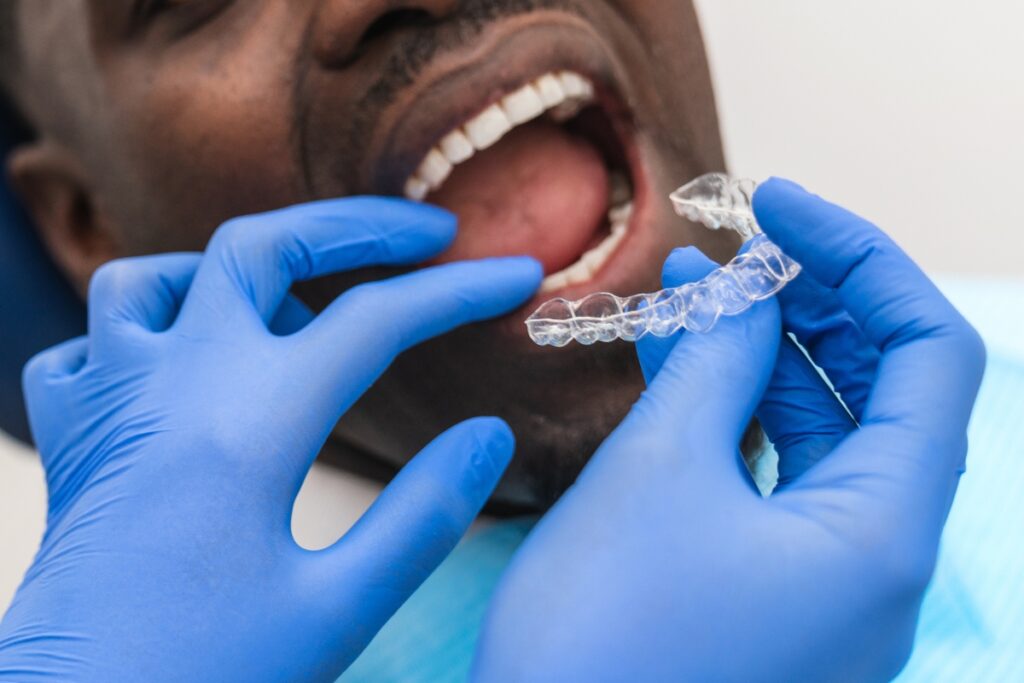
Thinking about straightening your smile but worried about discomfort? You’re not alone. Many people across Airdrie hesitate to begin treatment because they assume it will be painful. The good news is that what you’ll typically feel isn’t actual pain. It’s pressure, and that’s a sign things are working exactly as they should.
At Airdrie Springs Dental, patients often arrive with these concerns and leave feeling reassured after learning what to expect. Once you understand the process, the experience becomes far less intimidating.
In this blog, we’ll break down what sensations are completely normal, what could indicate a problem, and how you can stay comfortable throughout your journey. If you’re considering Invisalign, this guide will help you move forward with confidence and clarity.
Why It Feels Uncomfortable
Orthodontic treatment relies on controlled force to gradually shift teeth into better alignment. This process activates bone remodeling, where the bone surrounding your teeth adapts to their new positions. That adjustment is what creates the sensation you feel.
It’s important to separate pressure from pain. Pressure feels like tightness or mild soreness, especially when biting or chewing. True pain would feel sharp, persistent, or worsening, which isn’t typical during treatment.
Most people notice these sensations at predictable times. The most common trigger is switching to a new set of aligners. Each tray is designed to apply slightly different pressure, encouraging gradual movement. You may also feel minor irritation when attachments are added or adjusted.
The reassuring part is that this discomfort doesn’t last long. Within a few days, your teeth begin to settle into their new positions, and the sensation fades. Many patients at Airdrie Springs Dental describe it as a brief adjustment period rather than ongoing discomfort.
What to Expect Week by Week
Having a clear timeline helps take the guesswork out of the experience and makes each stage feel more manageable.
Day 1–2: Initial Pressure
When you switch to a new set of trays, the first thing you’ll notice is a feeling of tightness. This is the aligners applying fresh, controlled force to begin shifting your teeth. It can feel like mild soreness, especially when biting or chewing, and you may prefer softer foods during this time.
While it’s noticeable, it’s typically not overwhelming, just enough to remind you that movement is happening.
Day 3–5: Peak Sensitivity
This is when the sensation tends to be at its strongest. Your teeth may feel more sensitive than usual, particularly when eating or drinking something cold. Biting into firmer foods can feel uncomfortable, so many people continue to stick with gentler options.
The key thing to remember is that this phase is temporary and part of the normal adjustment process.
Day 6–7: Adjustment Phase
By the end of the first week, most of the discomfort begins to fade. Your teeth have started settling into their new positions, and the pressure has reduced significantly. Every day activities like eating, speaking, and wearing your aligners feel more natural again.
Week 2 and Beyond: Minimal Discomfort
As you approach your next tray change, the aligners feel comfortable and almost unnoticeable. Your mouth has adapted, and there’s little to no soreness.
Each new set restarts the cycle, but over time, many patients find that the intensity of discomfort decreases as their teeth and gums become more accustomed to the process.
What’s Normal vs. What’s Not
Knowing what’s expected and what isn’t can make your experience far less stressful and help you stay on track with confidence.
What’s Normal
Most people feel mild to moderate pressure, especially when starting a new set of trays. This sensation usually peaks within the first few days after getting Invisalign in Airdrie and then fades as your teeth adjust. Temporary soreness when chewing is also common, particularly during tray changes.
You might even notice slight irritation along your gums or inner cheeks as your mouth gets used to the aligners. These effects are short-lived and typically improve without any intervention.
What’s Not Normal (When to Call Your Provider)
Certain symptoms shouldn’t be ignored. Sharp or worsening pain that doesn’t ease after a few days may indicate an issue. Persistent bleeding gums could indicate irritation or underlying inflammation.
Aligners that don’t fit properly, feel loose, or don’t seat fully can disrupt your progress and cause discomfort. Ongoing jaw pain or frequent headaches are also signs that something may need adjustment.
If you notice any of these concerns, it’s best to contact your dental provider promptly to ensure everything stays on track.
How to Stay Comfortable
Managing discomfort is often easier than people expect, especially with a few simple habits.
Immediate Relief
Switching to new trays before bedtime allows you to sleep through the initial adjustment period. If soreness develops, try drinking cold water or applying a cold compress to ease inflammation. Choosing softer foods during the first couple of days can also reduce strain on your teeth.
Helpful Tools
Orthodontic chewies help seat your aligners properly, ensuring even pressure. If you notice irritation, dental wax can create a protective barrier. Over-the-counter pain relievers can be used when necessary, following recommended guidelines.
Long-Term Habits
Consistency plays a major role in comfort. Wearing your aligners for 20–22 hours a day allows your teeth to move smoothly, reducing unnecessary pressure. Maintaining good oral hygiene is equally important. In Airdrie’s dry climate, staying hydrated can also help prevent irritation and keep your mouth feeling comfortable.
Eating During Sore Days
Your food choices can make a noticeable difference in how you feel.
Best Choices
Soft, easy-to-eat options like smoothies, yogurt, soups, mashed potatoes, and eggs are ideal. These foods are gentle on your teeth while still providing the nutrients you need.
Foods to Avoid (Temporarily)
Crunchy or hard foods such as chips, nuts, and raw vegetables can increase sensitivity. Sticky foods like caramel should also be avoided until your teeth feel normal again.
Most people find that adjusting their diet for just a couple of days after each tray change makes the process much more comfortable.
Preventing Extra Discomfort
A few proactive steps while getting Invisalign in Airdrie can help you avoid unnecessary soreness.
Follow your tray schedule carefully. Changing trays too early or too late can disrupt the gradual movement of your teeth, leading to increased pressure. Always ensure your aligners are fully seated when you put them in, as this helps distribute force evenly.
Routine check-ins with your dental provider are also important. At Airdrie Springs Dental, these visits allow your progress to be monitored and any concerns to be addressed early, keeping your experience smooth and comfortable.
When to Pay Closer Attention
While most discomfort is normal, certain situations may require attention.
Aligners that don’t fit properly can create uneven pressure and irritation. Attachments that feel rough may cause discomfort in your cheeks or gums. In some cases, ongoing soreness could be linked to gum inflammation or infection.
If something doesn’t feel right, don’t wait. Reaching out to your dental team can help resolve the issue quickly and keep your treatment on track.
While the idea of discomfort can feel overwhelming at first, most people find it’s a short-lived and manageable part of the process. Once you understand what’s happening, the experience becomes much easier to handle.
The long-term benefits, a straighter smile, better oral health, and greater confidence, make the temporary pressure worthwhile. If you’re ready to take the next step, consider booking a consultation with Airdrie Springs Dental.
Your journey to a healthier smile could be simpler and more comfortable than you expect.
What People Ask
Does Invisalign hurt all the time?
No, discomfort is usually temporary and occurs mainly when switching to a new set of trays.
How long does the discomfort last after changing trays?
Most people feel pressure for 2–5 days before it gradually fades.
Is the pressure a sign that the treatment is working?
Yes, gentle pressure means your teeth are moving as planned.
Can I take pain relievers for soreness?
Yes, over-the-counter options can help, but always follow dosage guidelines or your dentist’s advice.
Is it normal to have trouble chewing at first?
Yes, mild soreness when chewing is common during the first few days of a new tray.