

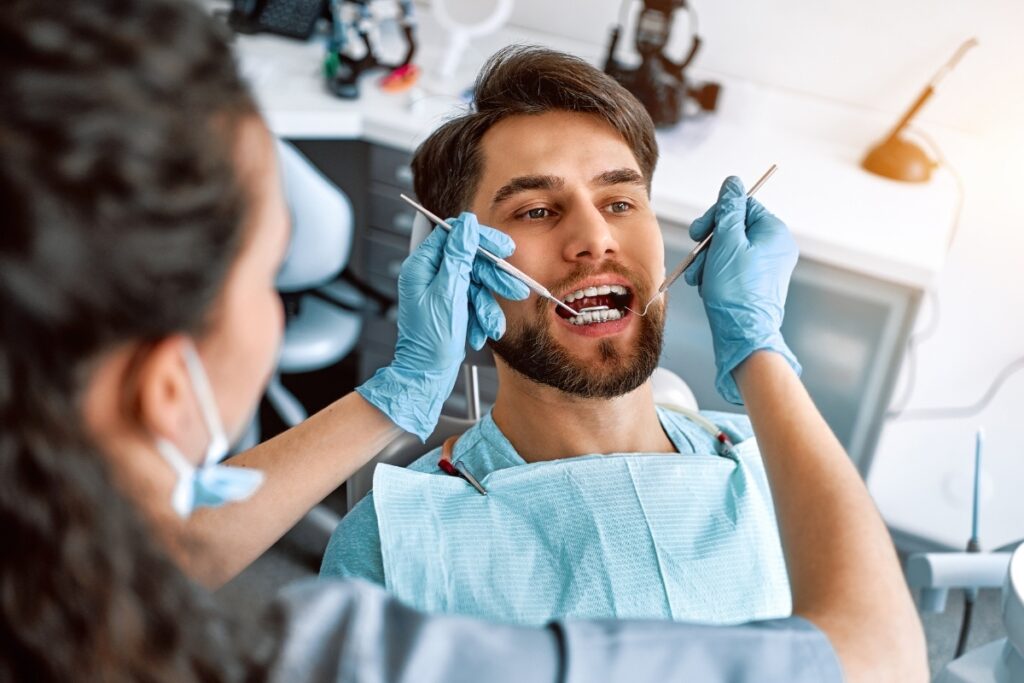
A knocked-out tooth rarely happens when you expect it. It might be during a weekend hockey game, a fall on an icy Airdrie sidewalk, or even a simple accident at home. In those first few moments, it is easy to panic. However, what you do next can make all the difference.
Dentists often refer to the first hour after a tooth is knocked out as the “golden hour.” This 60-minute window is critical because quick action can mean the difference between saving and losing your natural tooth.
If you ever find yourself in this situation, knowing exactly what to do can help you stay calm and act quickly. This guide walks you through each step, what mistakes to avoid, and when to seek help from an emergency dentist so you can protect your smile when it matters most.
Why the First 60 Minutes Matter So Much
When a permanent tooth is knocked out, the injury is known as tooth avulsion. While the word may sound technical, the concept is simple. The tooth is completely displaced from its socket, and the delicate tissues attached to the root are suddenly exposed.
These tissues are made up of living cells that help the tooth reattach to the bone. Once the tooth is out of the mouth, those cells begin to dry out and die. At the same time, the blood supply that keeps the tooth alive is interrupted. This is why time becomes such a critical factor.
Studies and clinical experience show that the chances of saving the tooth are highest when it is placed back into the socket within 30 to 60 minutes. After that, the success rate begins to drop significantly.
This does not mean all hope is lost after an hour, but acting quickly gives your emergency dentist in Airdrie the best chance to stabilize and preserve your natural tooth.
Understanding this urgency is important, but knowing what to do in those first minutes is even more important. The next steps can guide you through the situation with clarity and confidence.
Step-by-Step: What To Do Immediately After a Tooth Is Knocked Out
Step 1: Stay Calm and Find the Tooth
Take a deep breath and focus on locating the tooth. Panic can slow you down, so try to stay steady and act quickly. The sooner you find it, the better your chances of saving it.
Step 2: Handle It the Right Way
Always pick up the tooth by the crown, which is the part you normally see in your mouth. Avoid touching the root at all costs. The root contains fragile cells that are essential for successful reattachment.
Step 3: Gently Rinse If Dirty
If the tooth has dirt or debris on it, rinse it gently with clean water or saline. Do not scrub it, wipe it, or use soap or chemicals. Even light scrubbing can damage the cells needed for healing.
Step 4: Try to Reinsert the Tooth
If possible, carefully place the tooth back into its socket. Make sure it is facing the right direction. Once it is in place, gently bite down on a clean cloth or gauze to hold it steady. This step can significantly improve the chances of saving the tooth.
Step 5: If Reinsertion Isn’t Possible
If you cannot reinsert the tooth, keeping it moist is critical. Place it in a container of milk, which helps preserve the root cells. Saline solution is another good option. Adults can also hold the tooth inside their cheek, but this is not recommended for children due to the risk of swallowing.
Step 6: Get to a Dentist Immediately
Time is everything in this situation. Head to a nearby dental office right away. If you are in Airdrie, quick access to care at Airdrie Springs Dental can make a meaningful difference in saving your tooth. Acting within that 60-minute window gives you the best possible outcome.
What NOT To Do (Common Mistakes That Reduce Survival Chances)
Even with good intentions, certain actions can lower the chances of saving a knocked-out tooth. Knowing what to avoid is just as important as knowing what to do.
One of the most common mistakes is touching or handling the root. This damages the delicate cells needed for reattachment. Always hold the tooth by the crown only.
Another critical mistake is allowing the tooth to dry out. Leaving it exposed to air, even for a short period, can reduce the likelihood of successful reinsertion. Keeping the tooth moist is essential at all times.
Wrapping the tooth in tissue or cloth may seem protective, but it actually dries the tooth and damages the root surface. Similarly, cleaning the tooth with soap, alcohol, or other chemicals can harm the living tissue.
Delaying treatment is perhaps the most damaging mistake. Waiting to see if the pain improves or postponing care can significantly reduce the chances of saving the tooth. Acting quickly and seeking professional help right away is the best course of action.
What Happens at the Dental Office?
Once you arrive at the dental office, the team will begin by assessing the situation quickly. They will examine the tooth, the socket, and the surrounding tissues to determine the best approach.
If the tooth has not already been reinserted, the emergency dentist in Airdrie may gently place it back into the socket. The area will be cleaned to reduce the risk of infection, and the tooth will be positioned carefully.
To keep the tooth stable, a small splint is often used. This splint attaches the affected tooth to nearby teeth, holding it in place while the healing process begins.
Follow-up visits are an important part of recovery. The dentist will monitor how well the tooth is healing and may recommend additional treatment. In some cases, a root canal may be needed later to maintain the tooth’s health.
The goal throughout this process is to preserve your natural tooth whenever possible and restore normal function.
Can a Knocked-Out Tooth Always Be Saved?
While quick action improves the chances of saving a tooth, it is important to understand that success is not guaranteed in every case. Several factors influence the outcome.
The amount of time the tooth spends outside the mouth is one of the most important factors. Teeth that are replanted within the first hour have a much higher success rate.
How the tooth is stored also matters. Keeping it in milk or saline helps protect the root cells, while letting it dry out reduces the chances of reattachment.
Age can also play a role. Younger patients often have better healing potential, which can improve outcomes. Additionally, the condition of the tooth and surrounding bone will influence the final result.
Even if the tooth cannot be saved, modern dentistry offers reliable solutions to restore your smile and function.
What if the Tooth Cannot Be Saved?
If saving the natural tooth is not possible, there are several effective ways to replace it and restore your smile.
Dental implants are a long-term option that replaces both the root and the visible part of the tooth. They are designed to function like natural teeth and help maintain jawbone health.
Bridges are another option. They use the neighboring teeth to support a replacement tooth, filling the gap and restoring appearance.
Partial dentures may also be recommended in certain cases. These removable options can replace one or more missing teeth and help improve chewing and speech.
Your dentist will guide you through these options based on your needs, helping you choose a solution that fits your situation.
How To Prevent Tooth Knockouts in the Future
Preventing dental injuries starts with simple habits and awareness. If you or your child participates in sports, wearing a custom mouthguard can significantly reduce the risk of injury.
Addressing bite issues can also help. Teeth that are misaligned or protruding may be more vulnerable to trauma. Regular dental visits can help identify and manage these concerns early.
Avoiding risky habits, such as chewing ice or using teeth to open objects, can also protect your teeth from unnecessary stress.
For families in Airdrie, especially during active seasons or outdoor activities, taking a few preventive steps can go a long way in protecting your smile.
Quick Emergency Checklist
When a tooth is knocked out, having a simple checklist in mind can help you act quickly and confidently.
- Find the tooth immediately
- Hold it by the crown, not the root
- Rinse gently if needed
- Try to place it back in the socket
- If not possible, store it in milk
- Seek dental care within 60 minutes
Keeping these steps in mind can make a critical difference in the outcome.
A knocked-out tooth can feel overwhelming in the moment, but knowing what to do can give you a sense of control. Acting quickly within that 60-minute window can often save your natural tooth and prevent more complex treatment later.
Being prepared is key. Whether you are at home, at work, or out enjoying a day in Airdrie, understanding these steps allows you to respond with confidence.
If you ever face this situation, reach out to Airdrie Springs Dental right away. Prompt care and the right approach can help protect your smile and get you back to normal as quickly as possible.
Frequently Asked Questions
1. Can a knocked-out tooth really be saved?
Yes, in many cases it can be saved if you act quickly. Placing the tooth back into the socket within 30 to 60 minutes greatly improves the chances of successful reattachment and long-term function.
2. How long can a tooth stay out of the mouth?
A tooth has the best chance of survival if it is replanted within one hour. After that, the likelihood of saving it decreases, especially if the root dries out or is not stored properly.
3. Should I clean a dirty tooth before putting it back?
You can gently rinse the tooth with clean water or saline if it is dirty. Avoid scrubbing or using soap, as this can damage the root surface and reduce the chances of successful reattachment.
4. What is the best way to store a knocked-out tooth?
If you cannot reinsert the tooth, place it in milk or a saline solution. These help preserve the cells on the root. Avoid storing it in plain water, as that can harm the tooth.
5. Can I put the tooth back in myself?
Yes, if you feel comfortable, you can try to place the tooth back into its socket. Make sure it is positioned correctly and bite down gently on the gauze to hold it in place until you reach a dental office.