

Tooth loss is more common than most people realize, whether it’s from decay, injury, or long-term wear. The real question many people in Idaho ask isn’t if they should replace a missing tooth. It’s how. With options like dentures and bridges available, choosing the most reliable long-term solution can feel overwhelming.
While dentures may offer a quick fix and bridges can restore appearance, neither fully replaces the function of a natural tooth. That’s where modern advancements come in. At practices like Modern Smiles, solutions are designed with longevity, comfort, and oral health in mind. One of the most effective options today is dental implants, known for their ability to restore both function and structure.
With proper planning, these restorations offer long-lasting results, natural performance, and support for overall oral health, making them a dependable choice for patients seeking stability.
What Are Dental Implants and How Do They Work?
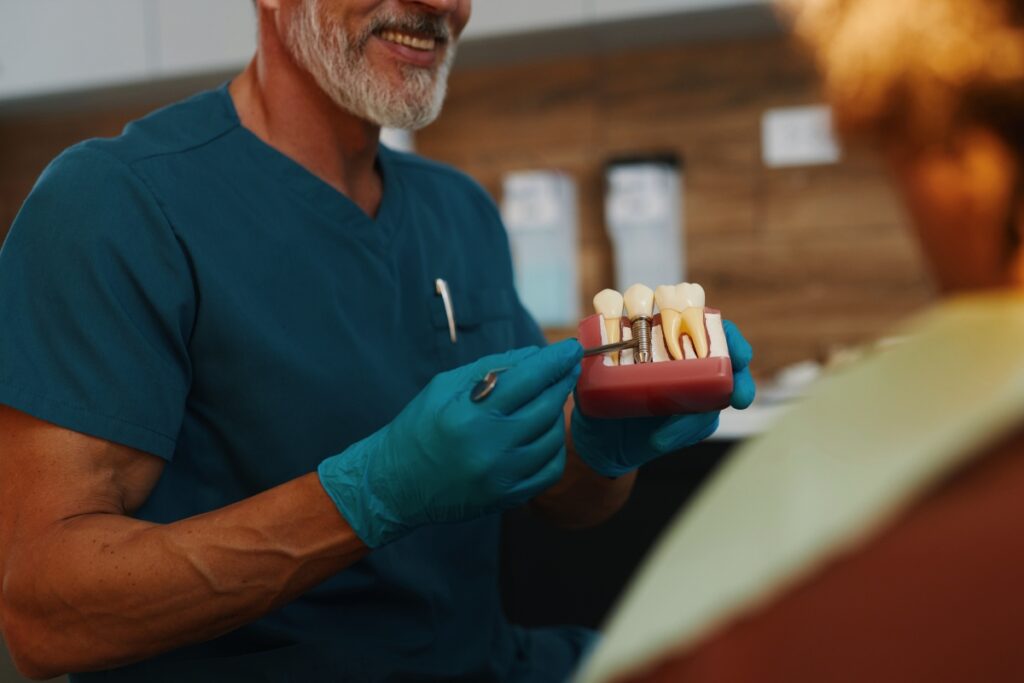
Dental implants are designed to replace missing teeth in a way that closely mimics how natural teeth function, right down to the root. Instead of sitting on top of the gums like dentures or relying on adjacent teeth like bridges, implants integrate directly with your jawbone to create a stable foundation.
The system consists of three key components. First is the titanium post, which is placed into the jawbone and acts as an artificial tooth root. Titanium is widely used in healthcare because it’s biocompatible, meaning the body accepts it without rejection. Next comes the abutment, a small connector piece that attaches to the implant and holds the final restoration in place. Finally, a custom-designed crown is secured on top, shaped and shaded to match your natural teeth.
What makes this process unique is something called osseointegration. After the implant is placed, the surrounding bone gradually fuses with the titanium post over several months. This creates a secure anchor that doesn’t shift or loosen over time. Think of it as rebuilding the foundation of your tooth, not just replacing what’s visible.
This structure allows implants to function much like real teeth. You can bite, chew, and speak without worrying about movement or discomfort. Whether you’re enjoying a meal at a local Boise favorite or grabbing coffee downtown, the experience feels natural and consistent.
Because implants restore both the root and crown, they offer benefits that go beyond appearance. They help maintain bone health, support facial structure, and prevent surrounding teeth from shifting. This combination of stability and biological support is what sets them apart as a long-term solution.
Why Long-Term Tooth Replacement Matters
When a tooth is lost, the impact goes beyond a visible gap. The jawbone in that area no longer receives stimulation from chewing, which can lead to gradual bone loss. Over time, this can change the shape of your face, causing a sunken or aged appearance.
Missing teeth also allow neighboring teeth to shift out of position. This can lead to spacing issues, bite misalignment, and uneven wear on other teeth. Even simple tasks like chewing can become less efficient, placing additional strain on your jaw.
Bite problems may develop as well, affecting how your upper and lower teeth come together. This can contribute to jaw discomfort or even headaches. For many people balancing busy routines, from workdays to weekends at places like Kathryn Albertson Park, these complications can disrupt daily comfort.
That’s why choosing a stable, lasting solution matters. Temporary fixes may address the surface issue, but they often don’t prevent long-term changes in oral health. A solution that integrates with your natural structure helps preserve both function and appearance over time.
Key Reasons Dental Implants Are the Best Long-Term Option
Exceptional Durability and Lifespan
Implants are built to last. With proper care, they can function for decades. In comparison, bridges may need replacement after 10-15 years, while dentures often require adjustments or replacement even sooner.
Preserve Jawbone and Facial Structure
Because implants replace the tooth root, they stimulate the jawbone just like natural teeth. This helps prevent bone loss and supports the natural contours of your face over time.
Function Like Natural Teeth
Unlike removable options, dental implants in Airdrie stay firmly in place. You can eat a wide range of foods without concern, and speech remains clear and unaffected.
Protect Surrounding Teeth
Traditional bridges rely on neighboring teeth for support, which often requires reshaping healthy enamel. Implants stand independently, preserving the integrity of adjacent teeth.
Low Maintenance Over Time
Caring for implants is straightforward. Brushing, flossing, and routine checkups are typically all that’s needed. No adhesives, soaking solutions, or special routines are required.
Dental Implants vs Other Tooth Replacement Options
Implants vs Dentures
Dentures rest on the gums and can shift during eating or speaking. While they may restore appearance, they don’t prevent bone loss. Implants, on the other hand, are fixed in place and provide long-term stability.
Implants vs Dental Bridges
Bridges depend on neighboring teeth for support, which can weaken those teeth over time. They also don’t address bone loss beneath the missing tooth. Implants function independently and support the underlying structure.
Quick Comparison:
- Stability: Implants > Dentures & Bridges
- Longevity: Implants last longer
- Bone Health: Only implants preserve bone
- Maintenance: Implants require the least specialized care
Who Is a Good Candidate for Dental Implants?
Most healthy adults are candidates for implant treatment. Key factors include having healthy gums, adequate bone density, and good oral hygiene habits. However, even if bone loss has occurred, procedures like bone grafting may help rebuild the area and make treatment possible.
Age alone is not a limiting factor. What matters more is overall oral health and the ability to heal properly. During a consultation, your dental team will evaluate your condition using imaging and a clinical exam to determine suitability.
At Modern Smiles, personalized treatment planning ensures that each patient receives care tailored to their specific needs, rather than a one-size-fits-all approach.
What to Expect During the Implant Process
The process begins with a detailed consultation and imaging to assess bone structure and plan placement. Once ready, the implant is placed into the jawbone during a minor surgical procedure.
After placement, a healing phase allows the bone to integrate with the implant. This stage can take a few months, depending on individual healing. Once integration is complete, the final crown is attached, completing the restoration.
Each step is carefully planned to ensure precision and long-term success. While the timeline may vary, the result is a stable, natural-feeling tooth replacement.
How to Care for Dental Implants for Long-Term Success
Maintaining implants is similar to caring for natural teeth. Daily brushing and flossing help prevent plaque buildup, while routine dental visits allow for early detection of any concerns.
Avoiding habits like smoking or teeth grinding can also protect the implant over time. For many Idaho residents managing active lifestyles, this simplicity makes implants a practical solution.
Long-term success depends on consistent care, but the routine is straightforward to maintain.
Are Dental Implants Worth It?
When considering long-term value, implants often stand out. While the initial investment may be higher than other options, they typically require fewer replacements and adjustments over time.
They also improve quality of life, restoring confidence, allowing comfortable eating, and supporting clear speech. For patients looking for a solution that blends durability with natural function, implants offer a reliable path forward.
A Long-Term Solution That Supports Your Smile
Choosing the right tooth replacement is about more than appearance. It’s about maintaining comfort, function, and long-term oral health. Dental implants in Pocatello offer a unique combination of durability, stability, and biological support that other options simply cannot match.
By integrating with your natural structure, they help preserve bone, protect surrounding teeth, and restore everyday function. For patients seeking a dependable, lasting solution, implants stand out as one of the most advanced options available today.
If you’re ready to explore your options, scheduling a consultation with Modern Smiles can help you take the next step toward a stronger, more confident smile.
What People Ask
How long do dental implants last?
Dental implants can last decades with proper care. The implant itself is designed to be long-term, while the crown may need replacement after many years due to normal wear.
How long does it take to complete the implant process?
The full process can take several months. This includes placement, healing time for bone integration, and attaching the final crown for a stable result.
What makes implants better than dentures?
Implants stay fixed in place and feel more natural. Unlike dentures, they do not shift, require adhesives, or contribute to bone loss over time.
Do dental implants require special care?
No special care is needed beyond regular brushing, flossing, and routine dental visits. Maintaining good oral hygiene helps ensure long-term success.
Can anyone get dental implants?
Many adults qualify, but eligibility depends on gum health, bone density, and overall oral condition. A dental evaluation determines if treatment is suitable for you.